Sub-Total: $0.00
Palestine of Jesus
The Palestine of Jesus course lasts for 14 days and combines biblical and historical studies with pilgrimage to selected sites connected with Jesus’ life, ministry, death, and resurrection.
Emphasizing the lived experience of pilgrimage as Christian formation, the course encounters the land of Jesus’ ministry, engaging the biblical narratives in their physical, historical, and archaeological contexts. The course roughly follows a chronological arc of Jesus’ life. Some attention is given to the Old Testament and Intertestamental periods as background context for Jesus’ life and ministry, as well as to the commemorations of Acts and the early development of the Church. Palestine of Jesus has an appreciation for pilgrim traditions over the centuries. The course also engages the Living Stones of Israel and Palestine.
$3,990.00
All-inclusive Absent Airfare
Palestine of Jesus is an immersive 14‑day study pilgrimage (15 calendar days) focusing on the scriptures, sites, landscapes, and traditions associated with Jesus’ life, death, and resurrection. Following a broad chronological arc of Jesus’ life, the course explores the principal places and narratives of the Gospels, giving attention also to Old Testament and intertestamental backgrounds that illuminate Jesus’ ministry. The pilgrimage likewise includes selected post‑resurrection events from the book of Acts.
Throughout the program, participants engage the contemporary context of Israel and Palestine—and the “Living Stones” of the land—which is an essential dimension of the Holy Land experience.
See below for the difference between Palestine of Jesus and Footsteps of Jesus.
The course is structured around a basic template of the principal places, narratives, and landscapes associated with the life of Jesus and the events of Christian salvation. The program includes a 3-day/2-night excursion to the Galilee and typically two free afternoons in Jerusalem. Each iteration varies somewhat, depending upon local circumstances, holidays, and the days of the week, as well as some intentional variations of the program.
The Core Sites of Palestine of Jesus
- The Church of the Holy Sepulchre. The traditional site of Jesus’ death and resurrection.
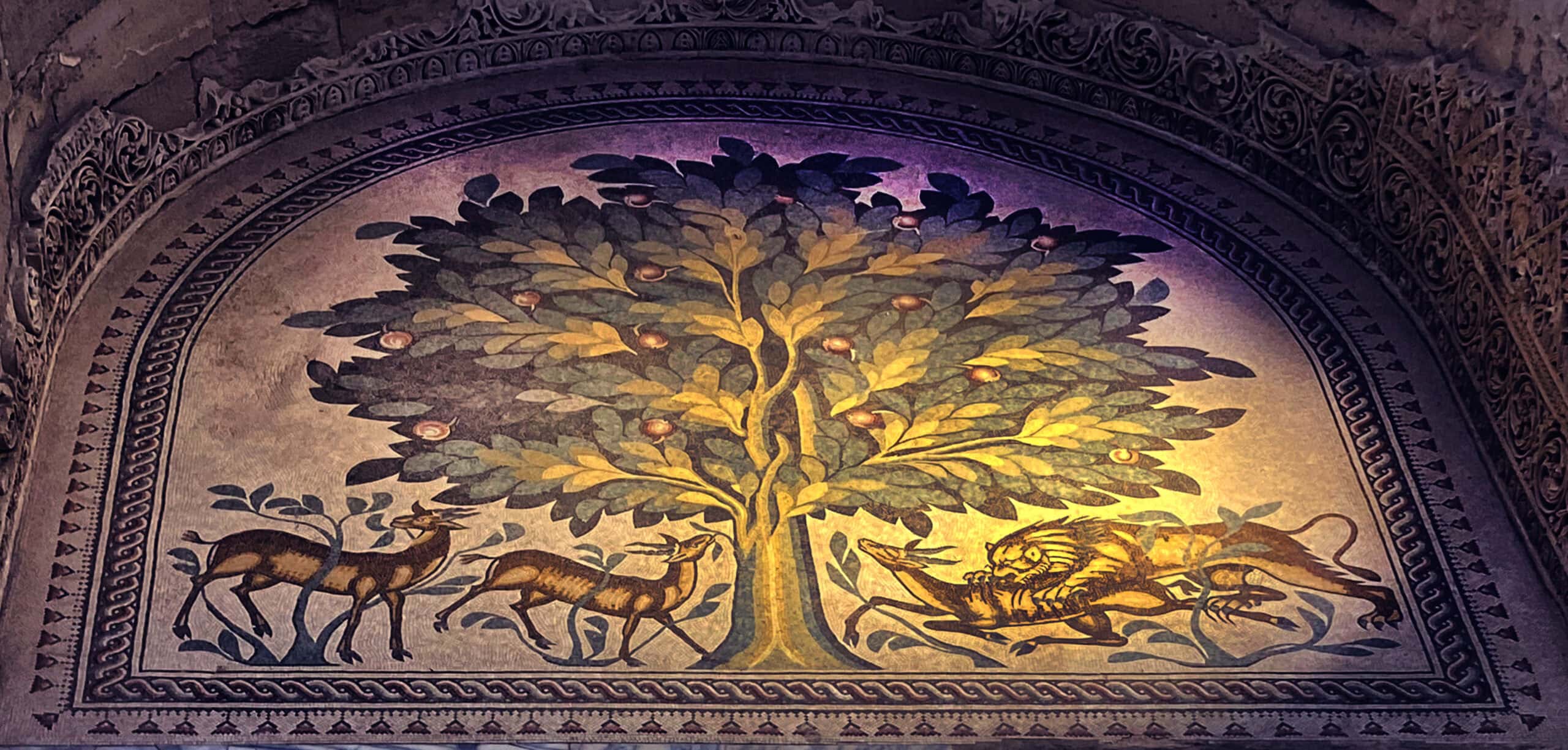
- A Herod the Great site. A site related to the reign of King Herod the Great, highlighting New Testament background.
- Jesus’ childhood home and the site of the annunciation.
- Ein Kerem. The place of Mary’s visitation of Elizabeth and the family home of John the Baptist.
- The place of Jesus’ birth.
- The Jordan River and Jericho. The site of Jesus’ baptism, with an opportunity to reaffirm baptismal vows, and a visit to nearby Jericho.
- The Judean Wilderness. Where Jesus was tempted after his baptism.
- Nablus (ancient Shechem). Where Jesus encountered the Samaritan woman at Jacob’s Well (depending on conditions on the ground).
- The Pool of Bethesda. Where Jesus healed a paralytic.
- The Temple Mount and the Western Wall. Ruins from Jesus’ day, including the southern Temple steps, including a visit to the Western Wall.
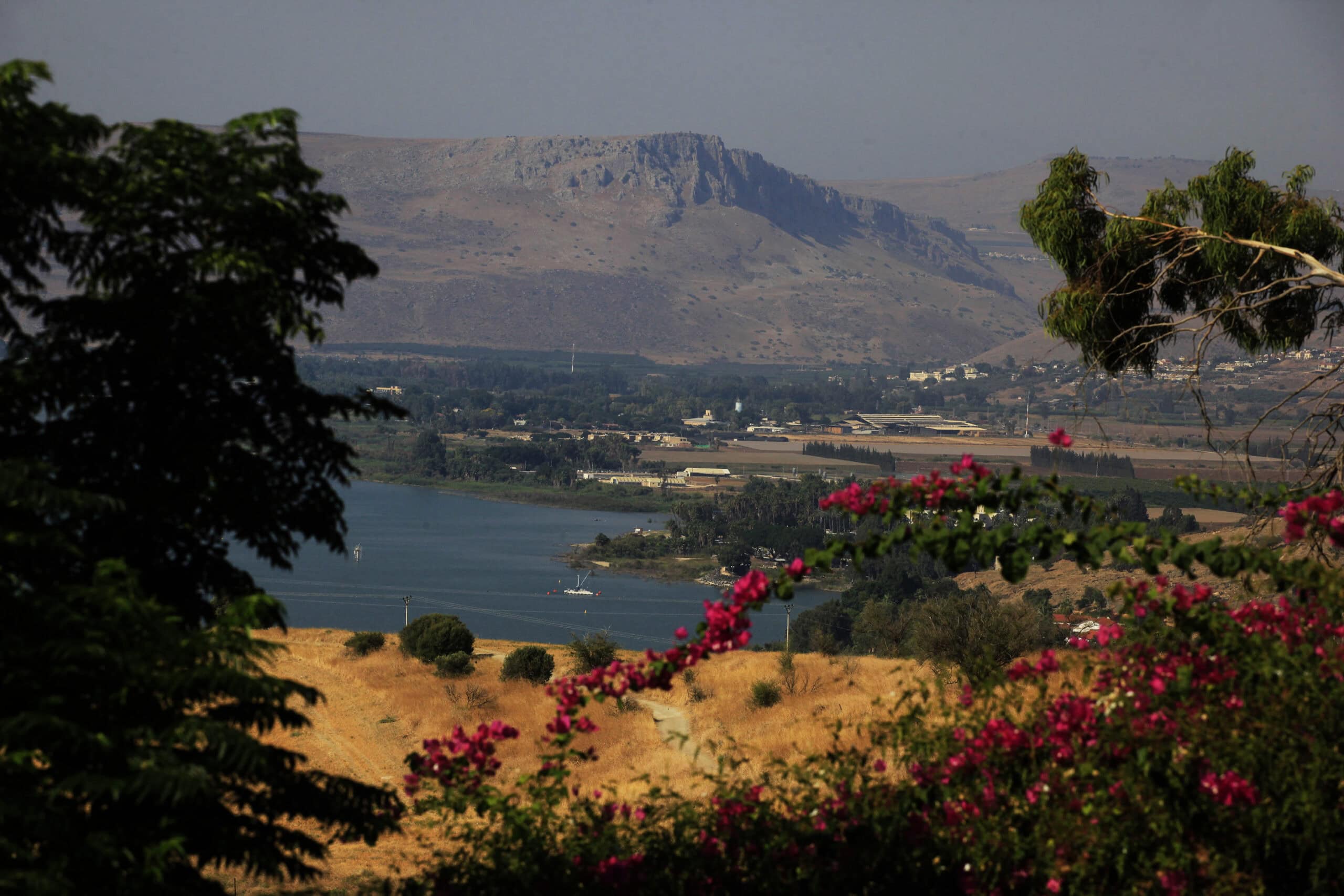
- The Sea of Galilee and Caesarea Philippi. Visit to multiple sites connected to Jesus’ Galilean ministry, such as Capernaum, the Mount of Beatitudes, and the Church of the Multiplication of the Fish and Loaves. Most programs include a boat ride on the lake, a lakeside Eucharist, and a visit to Caesarea Philippi (Banias), where Jesus asked his disciples: “Who do you say that I am?” Additional Galilee sites are occasionally included.
- The Mount of Olives. Including the commemorations of Jesus’ entrance into Jerusalem and the place of Jesus’ ascension, along with a topographical overview of the city.
- Mount Sion. The commemorations of the Last Supper, the trial of Jesus, the descent of the Holy Spirit at Pentecost, the death of Mary, and the origins of the early Church.
- The Garden of Gethsemane. The place of Jesus’ prayer, betrayal, and arrest.
- The Via Dolorosa. A devotional walk along the Way of the Cross.
- An Emmaus-themed Eucharist at an appropriate location near Abu Ghosh.
Contemporary Context, Interfaith Encounters, and Additional Sites
- Anglican worship. Two Sunday worship experiences with Anglican congregations—cathedral worship in Jerusalem and a local parish church.
- Diocesan ministries. A visit to an institutional ministry of the Episcopal Diocese of Jerusalem, usually the Princess Basma Centre for children with disabilities on the Mount of Olives.
- Interfaith and Local Voices. Jewish, Christian, and Muslim perspectives, along with Palestinian and Israeli speakers representing organizations for peace and reconciliation.
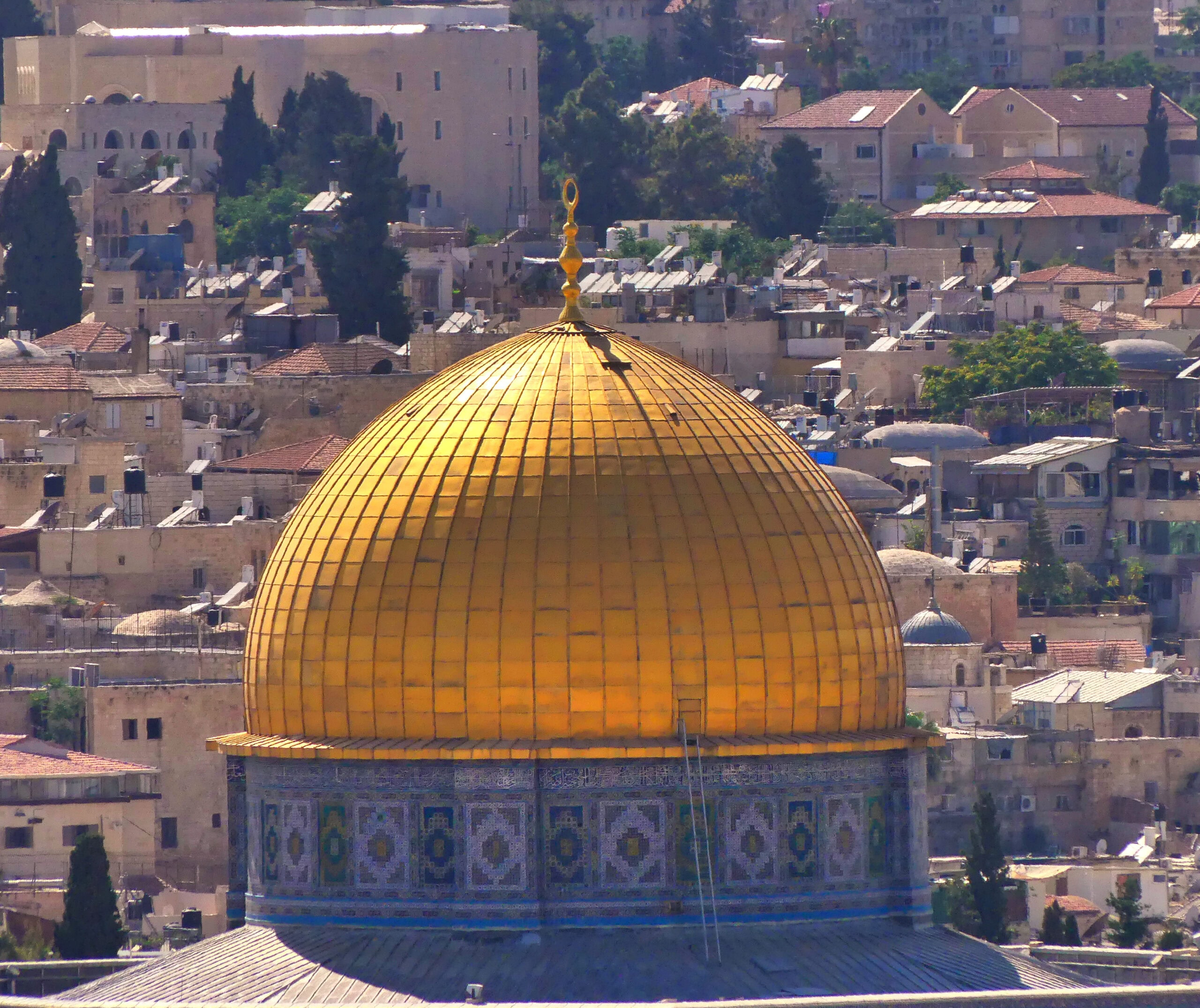
- The Haram esh-Sharif. A guided visit as guests of the Islamic waqf, including al-Jami al-Aqsa and the Dome of the Rock (depending on conditions on the ground).
- Palestinian refugee camp. Lunch at a Palestinian refugee camp in Bethlehem, hosted by a Muslim women’s empowerment group.
- Yad Vashem. The Holocaust Remembrance Center, either on the program or possible during a free afternoon.
- The Israel Museum. Either on the program or possible during a free afternoon.
Occasionally on the Program
- The tomb of Abraham and the Oak of Mamre.
- The Dead Sea. An opportunity to float in the Dead Sea.
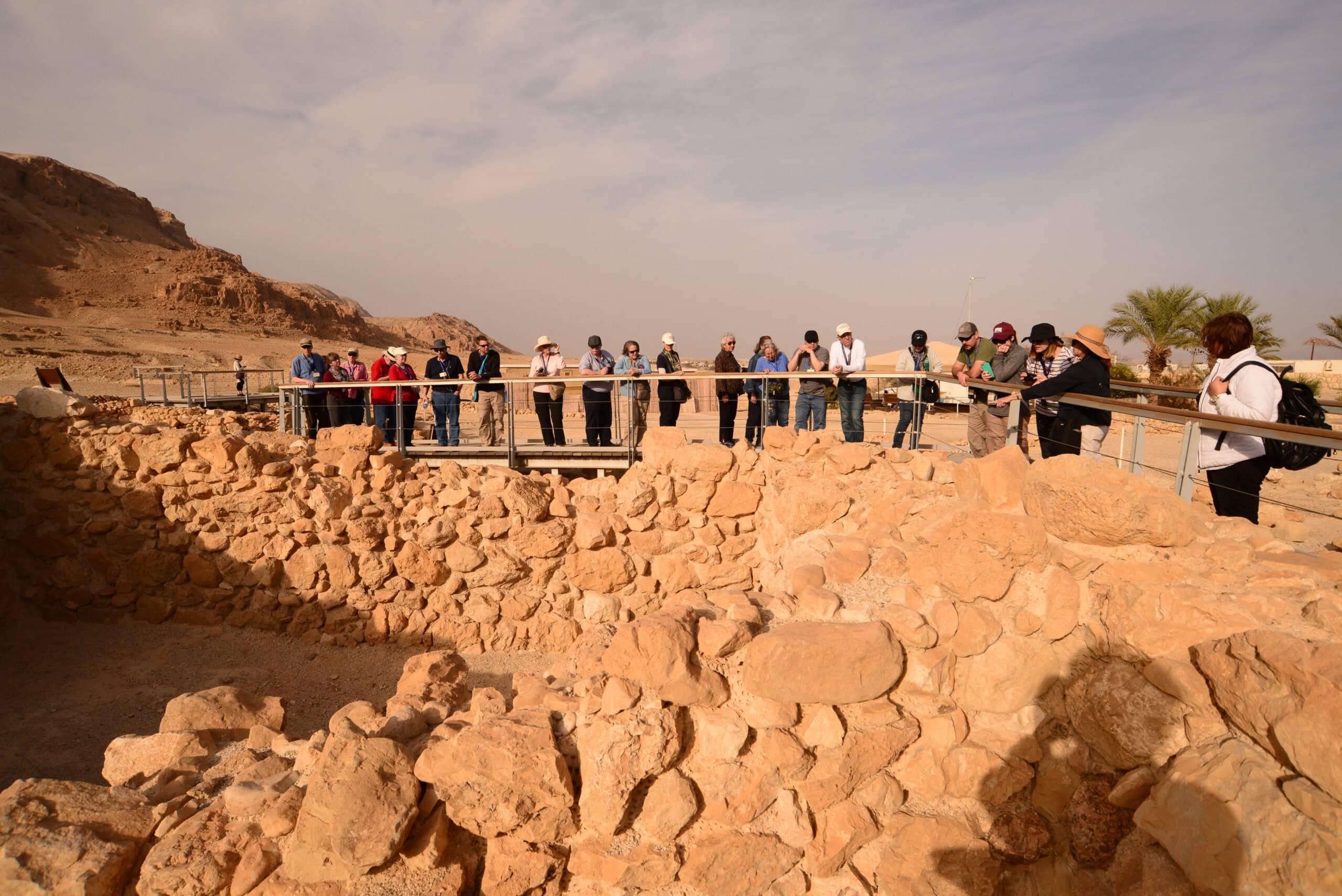
- Qumran National Park. Where the Dead Sea Scrolls were found.
The course integrates biblical study, spiritual reflection, and engagement with contemporary realities in the Holy Land. Participants will:
- Study the life and ministry of Jesus, exploring the historical contexts, cultures, and landscapes that shaped Jesus’ life, teachings, death, and resurrection.
- Encounter biblical narratives in place, deepening their understanding of biblical faith through embodied learning at the principal sites associated with Jesus’ ministry and the events of Christian salvation.
- Explore archaeological and historical contexts that illuminate Scripture.
- Explore Christian origins, by engaging the roots and traditions of the Christian faith as they were formed in the land of Jesus and the early Church.
- Engage the Holy Land as Christian pilgrims, integrating biblical, historical, and contextual studies with spiritual reflection, prayer, and worship.
- Encounter the storied landscapes of Jews, Christians, and Muslims.
- Engage local Christian communities, hear Jewish and Muslim perspectives, and explore contemporary issues in Israel and Palestine through multiple perspectives.
- Reflect on contemporary realities, considering the problems, struggles, hopes, and promises of the land and its peoples, integrating these insights into theological reflection.
- Return renewed in faith, equipped to enrich life and ministry back home.
- Share the experience of the Holy Land— its people, struggles, hopes, and prayers—with others.
How does Palestine of Jesus differ from Footsteps of Jesus?
The full 10‑day Footsteps of Jesus program is contained within the longer14-day Palestine of Jesus. Both courses visit the principal places associated with the life of Jesus and include the same 3‑day/2‑night excursion to the Galilee. The additional days in Palestine of Jesus provide a more immersive experience with the land, its people, and your journey of faith. More time is devoted in the longer course to the historical background of Jesus’ life, as well as to the contemporary context of Israel‑Palestine, including interactions with local Christians and engagement with the ministries of the Episcopal Diocese of Jerusalem.
The Course Leader and Program Team
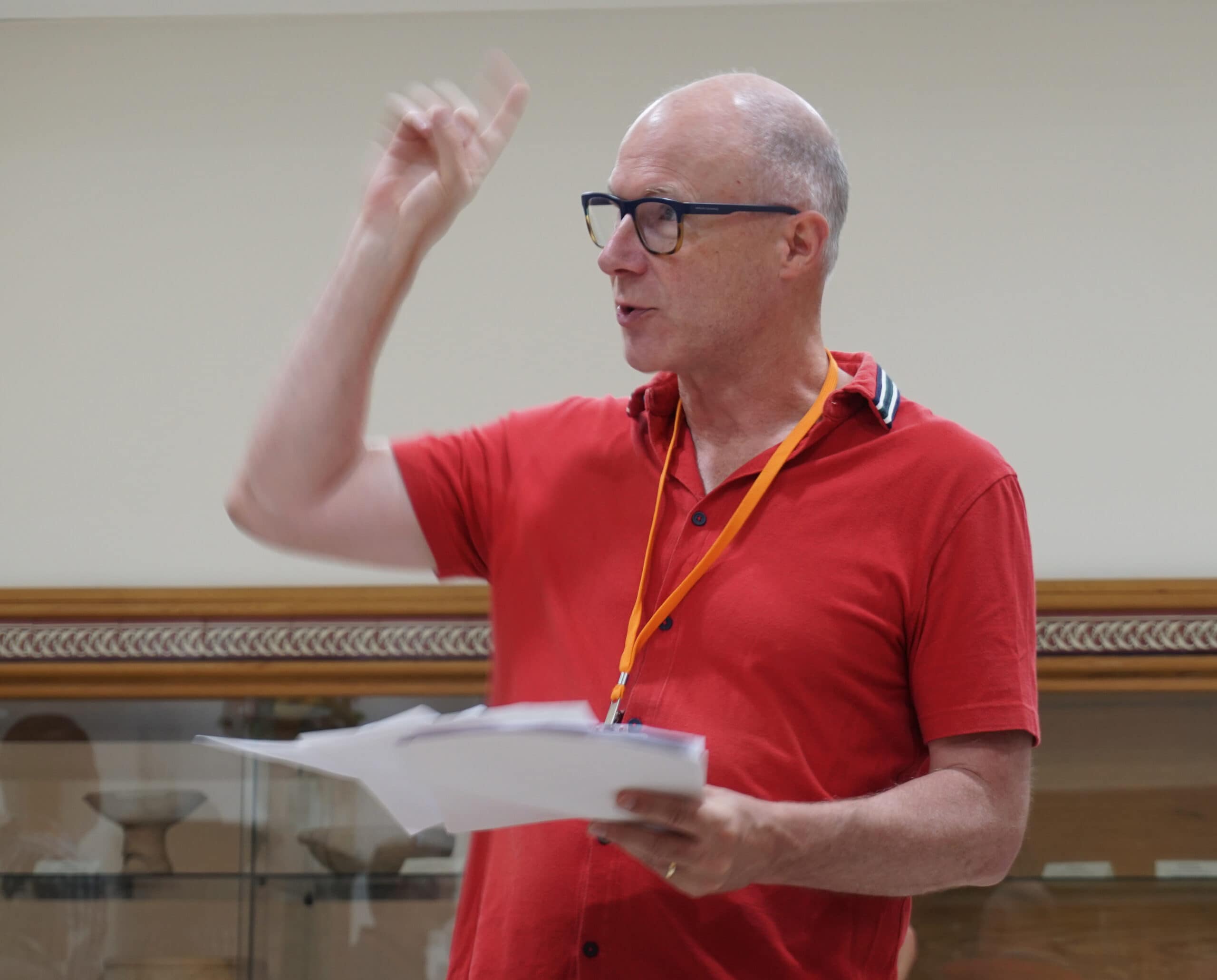
The Palestine of Jesus study pilgrimages are generally led by course director, Rodney Aist. The program team includes Dean Richard Sewell, a course chaplain, and commonly a course assistant. Additional speakers contribute to the course.
Resources and Readings
Participants receive a recommended reading list upon registration. A key resource is Jerusalem Bound: How to Be a Pilgrim in the Holy Land by Rodney Aist (Cascade, 2020).
Contact
For questions about the program, contact Course Director Rodney Aist at coursedirector@sgcjerusalem.org.
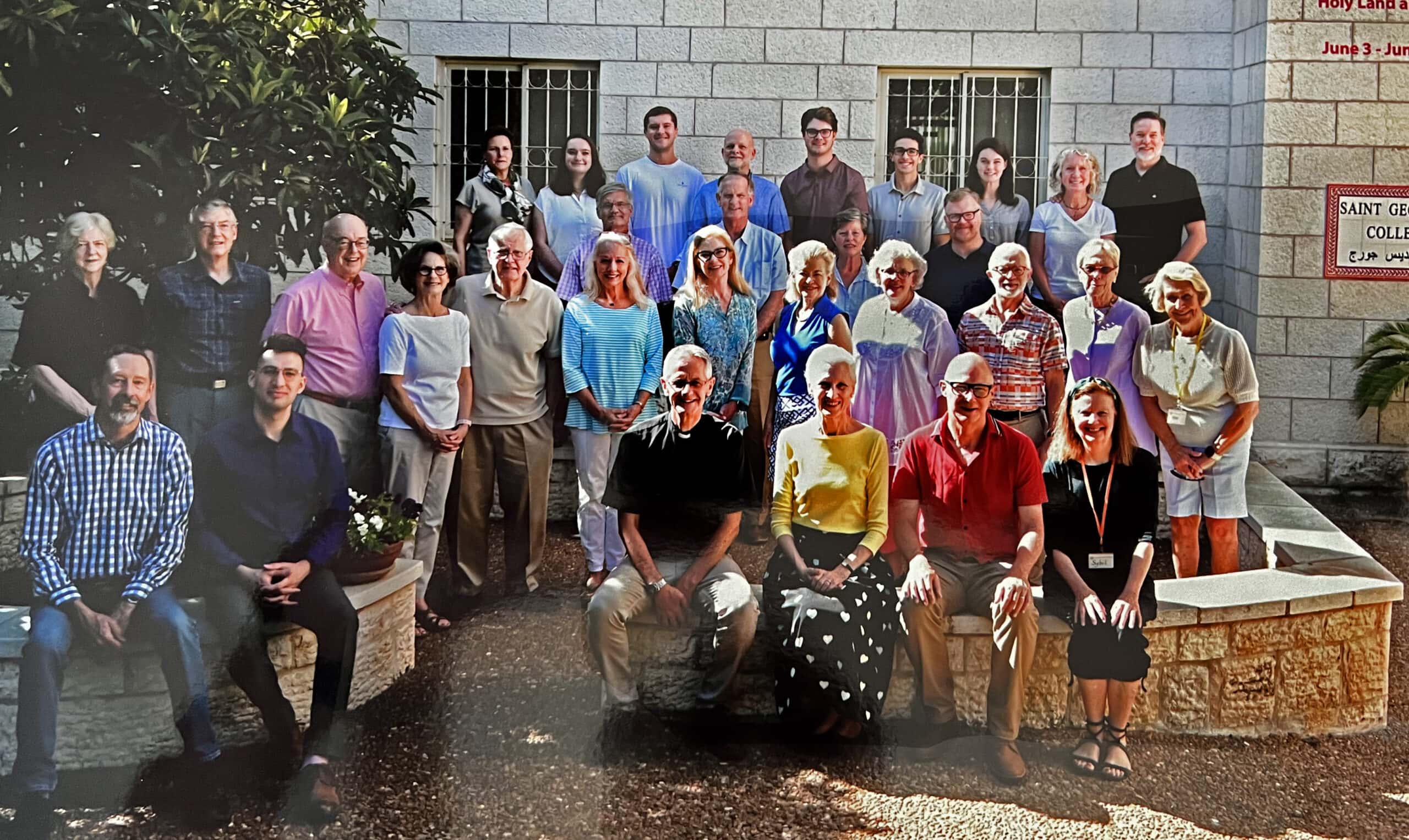
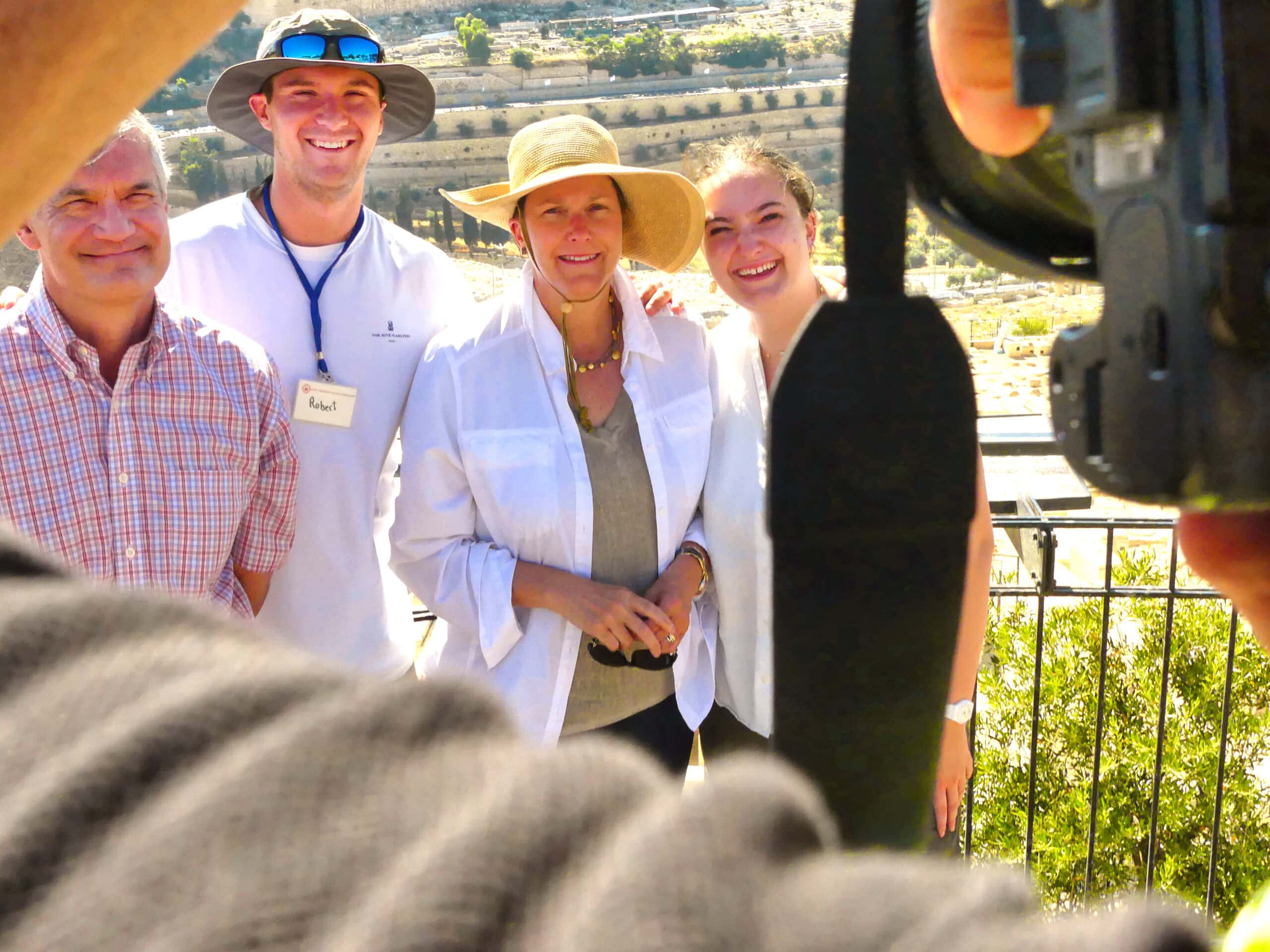
In the Words of Our Pilgrims
“This was so much more than visiting the places I had read about. Scripture, worship and community came together in a way I will carry with me.”

Now, I can see and understand what I had heard all of my life. The experience was beyond comparison; it was humbling, and I received such a blessing.
The Venerable Caleb Nyereyegona Archdeacon of Gweru, Diocese of Central Zimbabwe Student in the Zimbabwe Special Course
We rode the gondola up and walked down. It was an excellent day and incredible views and a nice dip in the Dead Sea. I was the lone Canadian with many Aussies and a few Americans. Incredible memories!
Jackie, Reflection on Masada
Don’t miss this opportunity. It can be an amazing God-filled experience.